A/C Repair Q&A

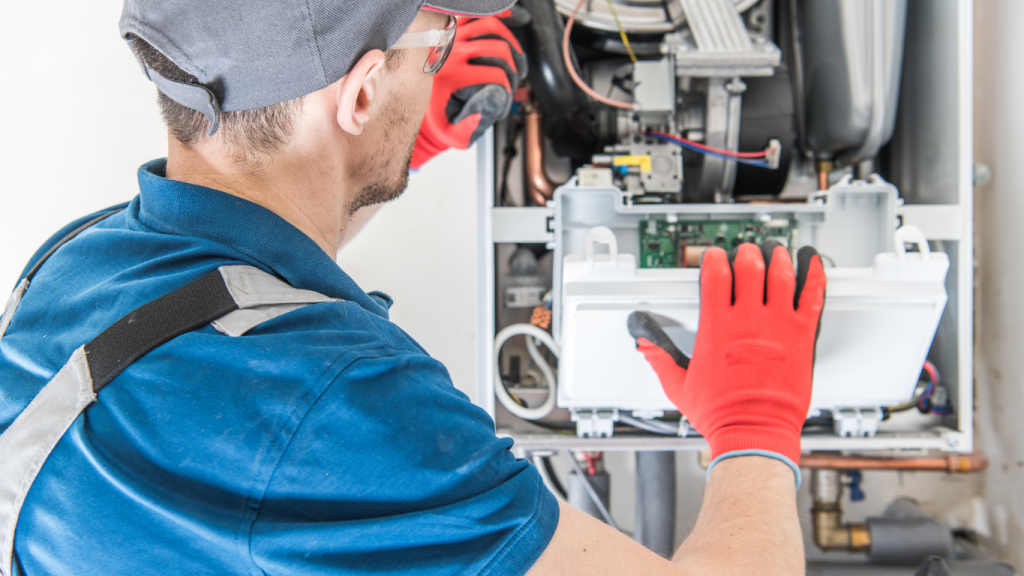
A close-up, over-the-shoulder view of a heating technician using a wrench to service a modern, wall-mounted gas furnace with a digital display.

Why Does Your Air Conditioner Keep Turning On and Off?

Does your air conditioner turn on, run for a few minutes, and shut off before your home feels comfortable? This pattern, commonly called AC short cycling, may indicate a problem with airflow, thermostat operation, electrical components, or the cooling system itself. In Florida, where air conditioners operate frequently throughout much of the year, repeated short cycles can affect indoor comfort and place additional demands on equipment. Understanding the warning signs and possible causes can help homeowners determine when professional attention is necessary. This guide explains why air conditioners short cycle, how the problem can affect cooling performance, and what homeowners can do to support reliable operation.

Why Does Your Air Conditioner Keep Turning On and Off? Read More »

AC contractor Stuart FL providing reliable air conditioning repair, installation, and maintenance services

Why Is Your Air Conditioner Making Strange Noises?

Your air conditioner normally makes some noise while operating, but sudden rattling, buzzing, grinding, squealing, or banging can indicate that something has changed. Some sounds come from relatively minor issues, while others may involve electrical components, motors, fans, or other parts requiring professional attention. For Florida homeowners who depend on air conditioning throughout much of the year, recognizing unusual noises can help them respond before a problem becomes more disruptive. This guide explains common AC sounds, what they might indicate, when to turn the system off, and why professional diagnosis is important for restoring reliable cooling.

Why Is Your Air Conditioner Making Strange Noises? Read More »

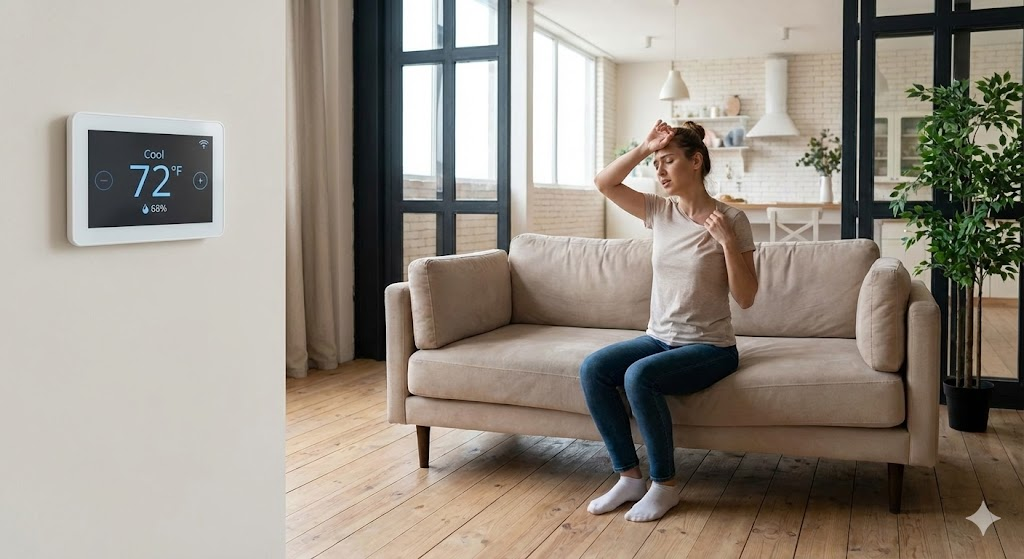
Woman feeling uncomfortable and sweating on a couch next to a thermostat showing high indoor humidity (68%) despite a cool temperature setting (72°F).

Could Leaky Ductwork Be Wasting Your Cool Air?

Your air conditioner may be producing plenty of cold air, but that doesn’t necessarily mean all of it is reaching the rooms where you need it. The duct system carries conditioned air from the HVAC equipment throughout the home, and leaks, loose connections, damaged sections, poor insulation, or other duct problems can reduce how effectively that air is delivered. ENERGY STAR estimates that a typical home can lose approximately 20% to 30% of the air moving through its duct system because of leaks, holes, and poorly connected ducts. Understanding the condition of your ductwork can therefore be an important part of improving comfort, reducing unnecessary HVAC operation, and getting better performance from your cooling system.

Could Leaky Ductwork Be Wasting Your Cool Air? Read More »

A certified HVAC technician in uniform and gloves performing a repair on a furnace, checking the internal components and wiring.

Why Are Some Rooms Hotter Than Others When the AC Is On?

If the living room feels comfortable but a bedroom down the hall stays noticeably warmer, lowering the thermostat isn’t always the best solution. Uneven cooling can develop for several reasons, including restricted airflow, duct leakage, insulation problems, sun exposure, thermostat placement, HVAC equipment issues, or the design of the home itself. Understanding the source is important because continuously lowering the thermostat may make comfortable rooms colder without correcting the underlying problem. This guide explores common causes of uneven temperatures, simple things homeowners can check, and when professional HVAC service can help create more consistent comfort throughout the home.

Why Are Some Rooms Hotter Than Others When the AC Is On? Read More »

A professional HVAC technician using manifold gauges to check refrigerant levels and test for leaks on an outdoor air conditioning unit.

Why Is My Air Conditioner Running but Not Cooling?

Few air conditioning problems are more frustrating than hearing your system run continuously while your home remains warm. An AC that operates without providing enough cooling may be dealing with something as simple as a dirty filter or thermostat issue, but it could also indicate problems involving airflow, coils, refrigerant, ductwork, or other components. Ignoring the issue may result in unnecessary energy use and additional strain on the system. This guide covers common reasons an air conditioner may run without cooling effectively, simple things homeowners can check, and signs that it’s time to schedule professional AC repair.

Why Is My Air Conditioner Running but Not Cooling? Read More »

A happy couple celebrating on their couch, using the remote to control their new wall-mounted ductless mini-split A/C unit, enjoying zoned comfort.

Why Annual HVAC Tune-Ups Help Prevent Costly Air Conditioner Repairs?

Your air conditioner works hard to keep your home comfortable, especially during Florida’s long, hot summers. While many homeowners wait until their system breaks down before calling an HVAC professional, routine maintenance can help prevent expensive repairs, improve energy efficiency, and extend the life of your equipment. In this guide, we’ll explain why annual HVAC tune-ups are one of the smartest investments homeowners can make and how preventive maintenance helps keep your cooling system running at its best year-round.

Why Annual HVAC Tune-Ups Help Prevent Costly Air Conditioner Repairs? Read More »

A professional HVAC technician using manifold gauges to check refrigerant levels and test for leaks on an outdoor air conditioning unit.

When Should You Call for Air Conditioning Repair?

Air conditioning systems often show warning signs before they fail completely. Knowing when to call for professional AC repair can help prevent discomfort, high energy bills, and unexpected breakdowns — especially during hot weather. One of the most common signs your system needs attention is reduced airflow. If your AC is running but not cooling

When Should You Call for Air Conditioning Repair? Read More »