
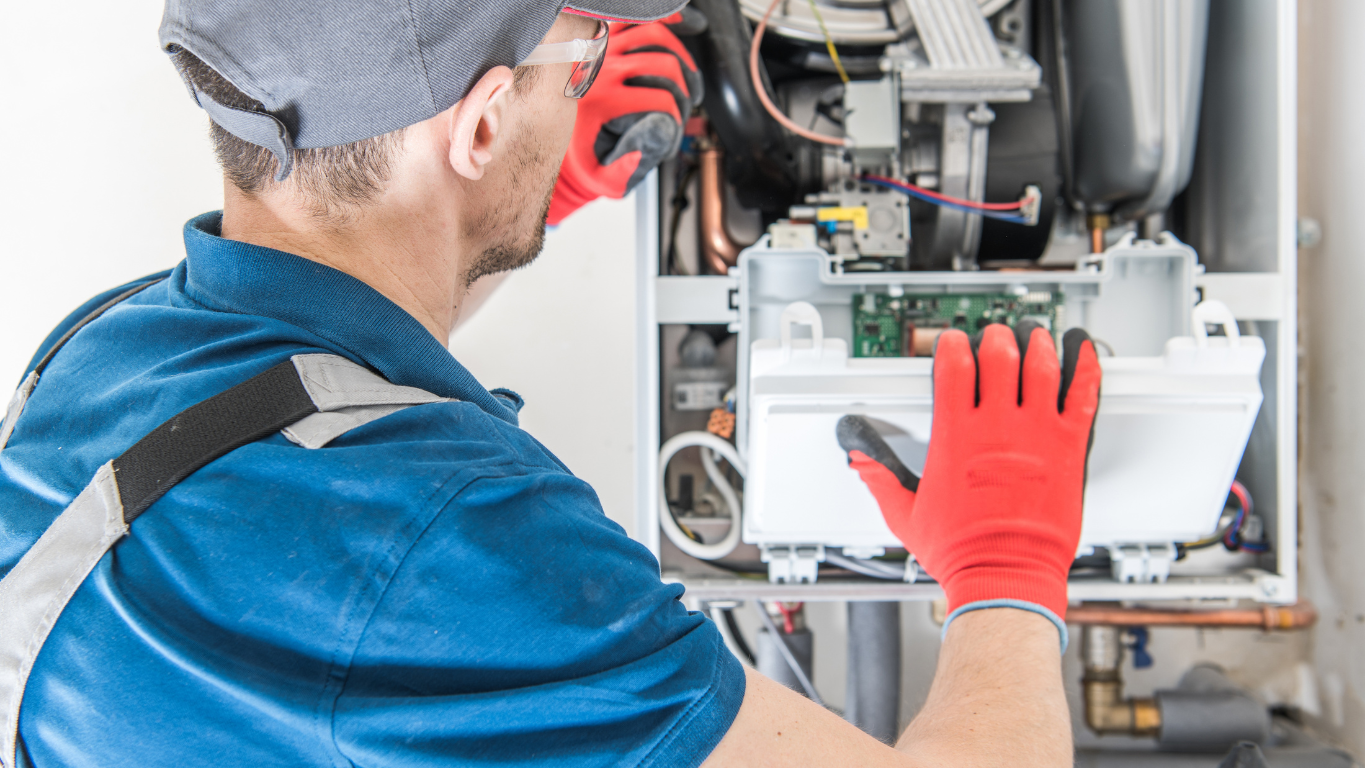
Your thermostat says 74 degrees.
The living room feels comfortable.
Then you walk upstairs or into a back bedroom and it feels completely different.
So you lower the thermostat.
Now the comfortable rooms are freezing, but the problem room still isn’t quite right.
Uneven temperatures are a common home-comfort complaint, and the air conditioner itself isn’t always the only possible cause.
Your HVAC system works together with ductwork, insulation, windows, air sealing, thermostats, and the home’s overall design. A problem with any part of that system can influence how comfortable individual rooms feel.
Before assuming you need a larger air conditioner, it’s worth understanding why certain spaces may be warmer than others.
1. Start by Checking the Supply Vents
Begin with something simple.
Check the supply vents in the warmer room.
Is air coming out?
Does the airflow seem significantly weaker than in other rooms?
Look for obvious obstructions such as:
- Furniture
- Curtains
- Rugs
- Boxes
- Other household items
Make sure vents haven’t accidentally been closed.
Avoid trying to “balance” the entire HVAC system by randomly closing vents throughout the house. Professional system balancing considers airflow across the complete HVAC system rather than simply redirecting air based on guesswork.
If airflow remains noticeably weaker in certain rooms, visit our Services page to learn more about Fast AC Repair’s HVAC troubleshooting, air conditioning repair, maintenance, ductwork evaluation, and other home-comfort solutions.
2. A Dirty Filter Can Affect Airflow
One small component can affect comfort throughout the house: the air filter.
When filters become excessively dirty, airflow through the HVAC system may be restricted.
ENERGY STAR recommends checking HVAC filters every month, especially during periods of heavy cooling or heating use, and replacing them when dirty. It also recommends changing filters at least every three months, while noting that individual system requirements can vary.
Follow the filter and HVAC manufacturer’s recommendations for your specific equipment.
A clean filter isn’t guaranteed to solve uneven cooling, but it’s one of the easiest maintenance items to check.
3. Your Ductwork May Be Losing Conditioned Air
The air conditioner can produce plenty of cool air, but that doesn’t guarantee all of it reaches the intended rooms.
Conditioned air travels through ductwork before reaching supply vents.
If ducts are poorly connected, damaged, or leaking, some cooled air can be lost along the way.
ENERGY STAR notes that duct systems distributing heated and cooled air are often significant sources of energy loss and that sealing and insulating accessible ducts can improve HVAC efficiency.
This can be particularly relevant when ducts run through unconditioned areas.
A professional HVAC evaluation can help determine whether ductwork is contributing to uneven comfort.
4. Insulation Can Make One Room Feel Different
Sometimes the HVAC system is doing its job, but the house isn’t holding onto the conditioned air effectively.
Insulation helps slow heat transfer between conditioned living spaces and surrounding areas.
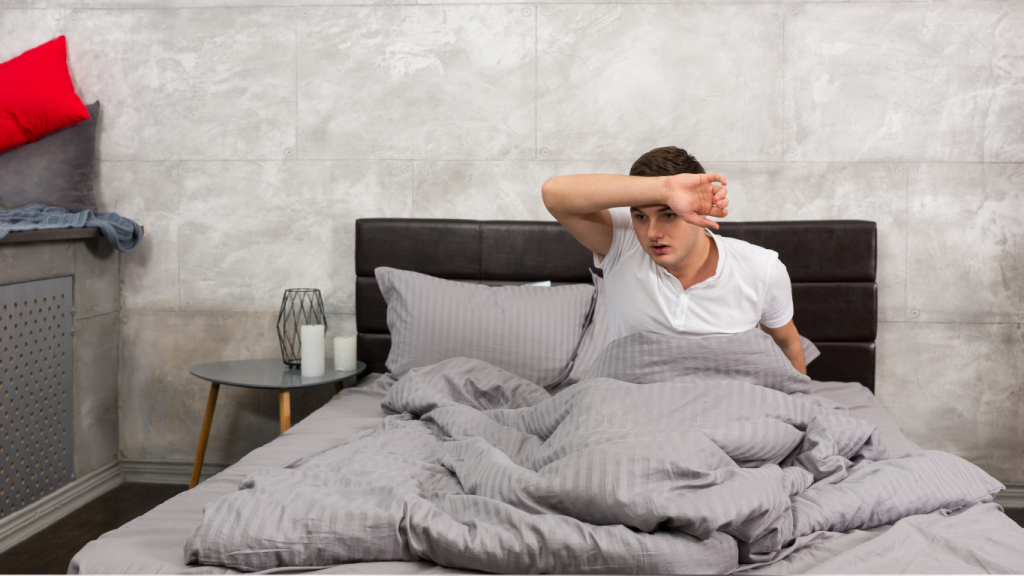
A room with inadequate insulation may gain heat faster than other rooms, especially during hot weather.
This can be particularly noticeable in:
- Upper floors
- Rooms below attics
- Additions
- Converted spaces
- Areas with substantial exterior exposure
The U.S. Department of Energy explains that insulation reduces heat flow and can improve comfort while reducing heating and cooling costs.
If one part of your house has always been more difficult to cool, the building envelope may deserve attention alongside the HVAC equipment.
5. Air Leaks Can Work Against Your AC
Insulation isn’t the only building-envelope consideration.
Air leakage can allow outdoor air to enter and conditioned air to escape.
The Department of Energy recommends reducing air leakage as part of improving home energy efficiency and comfort. Common areas of concern can include windows, doors, plumbing penetrations, electrical openings, and other gaps in the building envelope.
A room exposed to more outside air may feel warmer even when the HVAC system is operating.
This is another reason replacing an air conditioner isn’t automatically the solution to every comfort problem.
6. Windows Can Create Significant Heat Gain
Does the warmer room have large windows?
Which direction do they face?
How much direct sunlight enters during the afternoon?
Solar heat gain through windows can significantly influence indoor temperatures.
The Department of Energy notes that window coverings can help manage energy loss and solar heat gain through windows.
Depending on the property, appropriate blinds, shades, curtains, exterior shading, or energy-efficient window improvements may help reduce unwanted heat gain.
Pay attention to timing.
If a particular room becomes noticeably warmer every afternoon when direct sunlight enters, that pattern provides useful information.
7. Upstairs Rooms Often Face Different Conditions
Heat doesn’t distribute evenly throughout every home.
Upper levels can experience different conditions because they’re closer to the attic and roof and may be exposed to additional heat gain.
The HVAC system also needs to distribute conditioned air effectively between levels.
If your first floor is consistently comfortable but the second floor remains warm, potential factors could include:
- Airflow
- Duct design
- Insulation
- Air leakage
- Thermostat location
- HVAC configuration
- Building design
A professional can evaluate the complete situation rather than addressing only one symptom.
8. Your Thermostat Only Knows the Temperature Where It Is
A traditional thermostat measures temperature at its location.
That can create an important limitation.
Imagine the thermostat is in a central hallway that stays relatively cool.
Once that area reaches the set temperature, the system responds accordingly—even if a distant bedroom is still warmer.
Thermostat placement can therefore influence overall comfort.
If temperature differences are persistent, an HVAC professional can evaluate whether the thermostat, system configuration, or another factor is contributing to the issue.
9. The HVAC System May Need Professional Balancing
HVAC airflow isn’t necessarily distributed equally to every room.
Different rooms may require different amounts of conditioned air depending on factors such as size, location, windows, orientation, and heat gain.
Professional airflow balancing involves evaluating how air moves throughout the system and making appropriate adjustments where possible.
Simply closing random vents isn’t the same thing.
If your home has experienced uneven temperatures for years, a professional system evaluation may help identify whether airflow distribution is part of the problem.
To learn more about how our team approaches HVAC troubleshooting and home-comfort concerns, visit our About Us page and discover how Fast AC Repair helps homeowners identify the actual source of air conditioning problems before recommending a solution.
10. Home Additions Can Create Cooling Challenges
Did the warmer room originally belong to the house?
Home additions and converted spaces can sometimes create HVAC challenges when the existing system wasn’t originally designed around the additional conditioned area.
Examples may include:
- Garage conversions
- Enclosed patios
- Bonus rooms
- Expanded living areas
- Converted attic spaces
Adding square footage changes the heating and cooling demands of a property.
If an existing HVAC system was designed around the original layout, a professional should evaluate whether the current configuration appropriately supports the expanded space.
11. Bigger AC Equipment Isn’t Automatically Better
If part of your house is hot, buying a larger air conditioner might seem like the obvious answer.
But HVAC sizing doesn’t work that way.
ENERGY STAR explains that oversized heating and cooling equipment can create comfort and performance problems. Proper HVAC sizing should be based on the home’s actual heating and cooling requirements rather than simply selecting a larger unit.
An oversized system may cycle differently and fail to provide the comfort improvements a homeowner expects.
Professional load calculations can help determine appropriate equipment capacity when replacement is necessary.
12. Zoning May Be Worth Discussing
Some homes have areas with genuinely different cooling requirements.
One side may receive substantial afternoon sun.
Another may remain shaded.
Upstairs bedrooms may have different needs from downstairs living spaces.
In appropriate HVAC configurations, zoning can provide greater control over separate areas of the home.
Zoning isn’t automatically the right solution for every uneven-temperature problem, so the underlying cause should be evaluated first.
Sometimes duct repair, insulation, air sealing, maintenance, or another improvement makes more sense.
13. Don’t Forget Regular AC Maintenance
Uneven cooling can also become more noticeable when an HVAC system isn’t operating at its best.
Professional maintenance can include checking components that affect cooling performance and airflow.
ENERGY STAR recommends annual pre-season HVAC checkups and identifies maintenance items such as:
- Checking thermostat settings
- Tightening electrical connections
- Checking system controls
- Cleaning evaporator and condenser coils
- Checking refrigerant levels
- Cleaning and adjusting blower components
For additional homeowner guidance, visit ENERGY STAR’s HVAC Maintenance Checklist.
Preventive maintenance can’t correct every design or insulation problem, but it can help ensure HVAC equipment itself is operating properly.
14. Consider the Entire House, Not Just the AC Unit
Home comfort is the result of several systems working together.
Think about:
Cooling equipment: Is the AC operating properly?
Airflow: Is conditioned air reaching every room?
Ductwork: Is air being lost before reaching the vents?
Insulation: Is the home resisting unwanted heat transfer?
Air sealing: Is outdoor air entering unnecessarily?
Windows: Is sunlight creating substantial heat gain?
Thermostat: Is its location representative of the rest of the home?
Looking at the complete picture can help avoid spending money on a solution that doesn’t address the actual cause.
15. When Should You Call an HVAC Professional?
A minor difference between rooms isn’t always unusual.
But professional evaluation may be appropriate when:
- One room is consistently much warmer
- Airflow is noticeably weak
- The AC runs excessively
- Temperatures vary significantly between floors
- Energy costs are unexpectedly increasing
- The system no longer maintains comfortable temperatures
- The problem has recently become worse
An HVAC technician can evaluate equipment operation, airflow, and other factors to help determine what’s contributing to the problem.
If you’re dealing with uncomfortable rooms in your community, visit our Service Areas page to see where Fast AC Repair provides air conditioning repair, maintenance, HVAC troubleshooting, installation, and other cooling services.
Stop Fighting With the Thermostat
Constantly lowering the thermostat may make some rooms colder without fixing the room that’s actually uncomfortable.
If one area of your home stays warmer than the rest, find out why.
The cause might be relatively simple.
Or it could involve airflow, ductwork, insulation, system configuration, equipment performance, or several factors working together.
Either way, identifying the cause gives you a much better starting point than simply asking the AC to work harder.
Get More Consistent Comfort Throughout Your Home
Every room in your home doesn’t have to feel dramatically different when the air conditioner is running.
Fast AC Repair helps homeowners diagnose uneven cooling, weak airflow, AC performance problems, thermostat concerns, ductwork issues, and other conditions that may prevent a cooling system from keeping the entire home comfortable.
Instead of repeatedly lowering the thermostat and hoping the hottest room eventually catches up, let a professional determine what’s actually happening.
Contact Fast AC Repair today to schedule HVAC service, identify what’s causing uneven temperatures, and find the right solution for more consistent comfort throughout your home.