HVAC

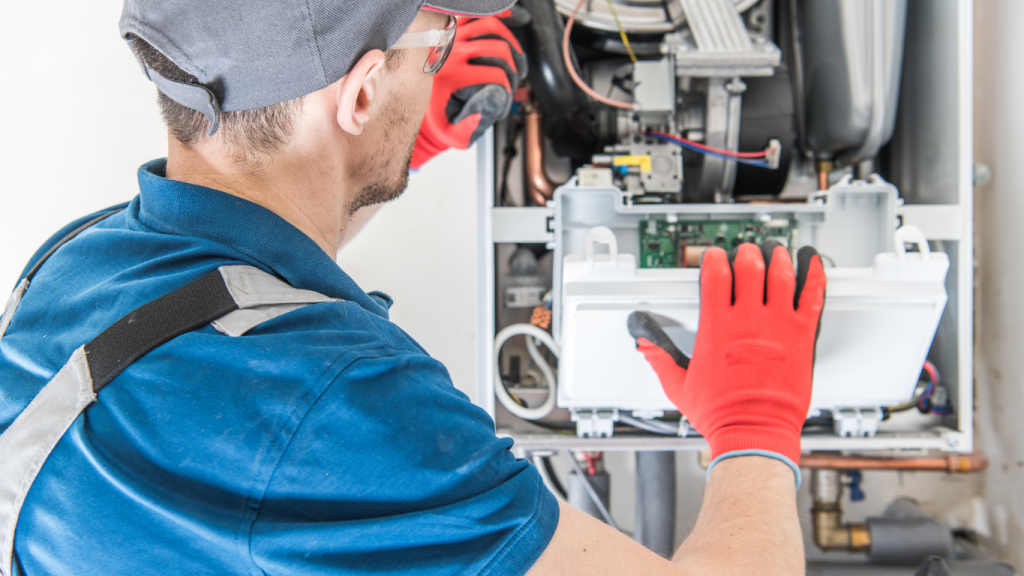
A close-up, over-the-shoulder view of a heating technician using a wrench to service a modern, wall-mounted gas furnace with a digital display.

Why Does Your Air Conditioner Keep Turning On and Off?

Does your air conditioner turn on, run for a few minutes, and shut off before your home feels comfortable? This pattern, commonly called AC short cycling, may indicate a problem with airflow, thermostat operation, electrical components, or the cooling system itself. In Florida, where air conditioners operate frequently throughout much of the year, repeated short cycles can affect indoor comfort and place additional demands on equipment. Understanding the warning signs and possible causes can help homeowners determine when professional attention is necessary. This guide explains why air conditioners short cycle, how the problem can affect cooling performance, and what homeowners can do to support reliable operation.

Why Does Your Air Conditioner Keep Turning On and Off? Read More »

AC contractor Stuart FL providing reliable air conditioning repair, installation, and maintenance services

Why Is Your Air Conditioner Making Strange Noises?

Your air conditioner normally makes some noise while operating, but sudden rattling, buzzing, grinding, squealing, or banging can indicate that something has changed. Some sounds come from relatively minor issues, while others may involve electrical components, motors, fans, or other parts requiring professional attention. For Florida homeowners who depend on air conditioning throughout much of the year, recognizing unusual noises can help them respond before a problem becomes more disruptive. This guide explains common AC sounds, what they might indicate, when to turn the system off, and why professional diagnosis is important for restoring reliable cooling.

Why Is Your Air Conditioner Making Strange Noises? Read More »

AC repair in Vero Beach

Is a Clogged AC Drain Line Causing Problems in Your Home?

An air conditioner doesn’t only cool the air inside a Florida home. As warm indoor air passes across the cold evaporator coil, the system also removes moisture, creating condensation that needs somewhere to go. A condensate drain system carries that water away, but algae, dirt, debris, or other obstructions can interfere with drainage. When that happens, homeowners may notice water near the indoor AC equipment, an overflowing drain pan, unusual moisture, or even a system that shuts down because a safety switch has been triggered. Understanding how the condensate drain works and recognizing potential warning signs can help homeowners respond before a relatively small drainage issue contributes to a larger moisture problem.

Is a Clogged AC Drain Line Causing Problems in Your Home? Read More »

24 hour AC repair Port St. Lucie​, Florida

Is a Bigger Air Conditioner Better for Your Florida Home?

When Florida homeowners replace an air conditioner, choosing a larger system can sound like the safest way to guarantee better cooling. In reality, HVAC equipment needs to be matched to the actual cooling requirements of the home. An oversized air conditioner may reach the thermostat setting too quickly, causing frequent starts and stops that can reduce efficiency, affect comfort, increase equipment wear, and interfere with moisture removal. An undersized system can create a different set of problems by struggling to meet cooling demand during hot weather. Proper HVAC sizing considers much more than square footage, including insulation, windows, orientation, air leakage, ductwork, local climate, and other characteristics of the property.

Is a Bigger Air Conditioner Better for Your Florida Home? Read More »

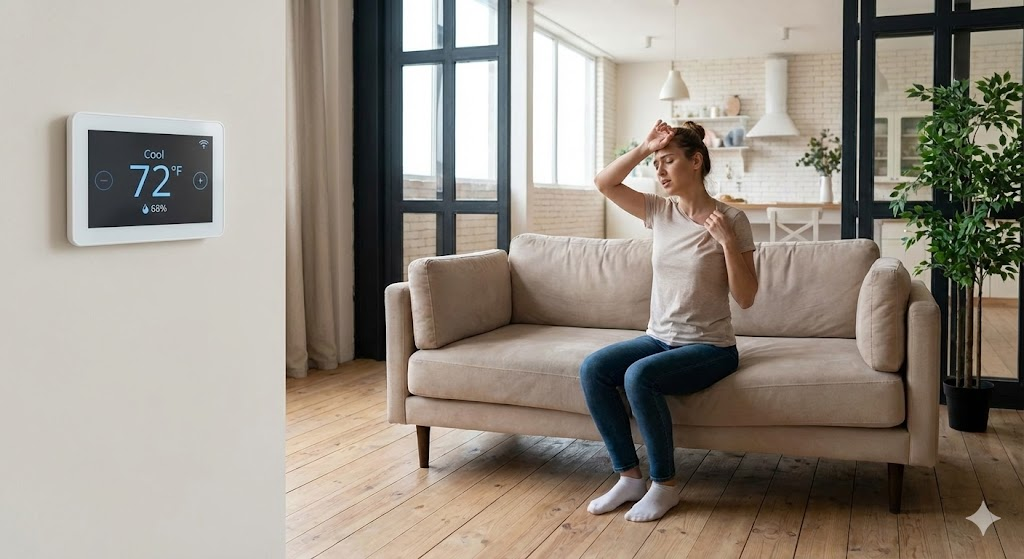
Woman feeling uncomfortable and sweating on a couch next to a thermostat showing high indoor humidity (68%) despite a cool temperature setting (72°F).

Could Leaky Ductwork Be Wasting Your Cool Air?

Your air conditioner may be producing plenty of cold air, but that doesn’t necessarily mean all of it is reaching the rooms where you need it. The duct system carries conditioned air from the HVAC equipment throughout the home, and leaks, loose connections, damaged sections, poor insulation, or other duct problems can reduce how effectively that air is delivered. ENERGY STAR estimates that a typical home can lose approximately 20% to 30% of the air moving through its duct system because of leaks, holes, and poorly connected ducts. Understanding the condition of your ductwork can therefore be an important part of improving comfort, reducing unnecessary HVAC operation, and getting better performance from your cooling system.

Could Leaky Ductwork Be Wasting Your Cool Air? Read More »

24 hour AC service in Stuart FL​

Why Does Your Florida Home Feel Humid With the AC Running?

Your air conditioner is running and the thermostat says the home has reached the desired temperature, yet the rooms still feel sticky, clammy, or uncomfortable. In Florida, indoor comfort isn’t only about temperature. Humidity can make a cooled home feel warmer than expected and may contribute to moisture-related indoor air quality concerns. Air-conditioning performance, equipment sizing, airflow, ductwork, ventilation, moisture intrusion, and everyday household activities can all influence indoor humidity. This guide explains why Florida homes may remain humid even when the AC is operating, what homeowners should check, and when it may be time to have the HVAC system professionally evaluated.

Why Does Your Florida Home Feel Humid With the AC Running? Read More »

Fast ac repair in Port St. Lucie, FL

Why Is One Room Hotter Than the Rest of Your House?

Your air conditioner may be running, but that doesn’t necessarily mean every room is cooling properly. One bedroom may stay warm while the living room feels comfortable, or an upstairs space may never reach the temperature shown on the thermostat. Uneven cooling can have several possible causes, including restricted airflow, ductwork problems, thermostat location, insulation, solar heat gain, equipment performance, and even the design of the HVAC system itself. This guide explains common reasons Florida homes develop hot and cold spots, which simple checks homeowners can make, and when professional HVAC diagnostics may be necessary to restore more consistent comfort.

Why Is One Room Hotter Than the Rest of Your House? Read More »

A certified HVAC technician in uniform and gloves performing a repair on a furnace, checking the internal components and wiring.

Why Are Some Rooms Hotter Than Others When the AC Is On?

If the living room feels comfortable but a bedroom down the hall stays noticeably warmer, lowering the thermostat isn’t always the best solution. Uneven cooling can develop for several reasons, including restricted airflow, duct leakage, insulation problems, sun exposure, thermostat placement, HVAC equipment issues, or the design of the home itself. Understanding the source is important because continuously lowering the thermostat may make comfortable rooms colder without correcting the underlying problem. This guide explores common causes of uneven temperatures, simple things homeowners can check, and when professional HVAC service can help create more consistent comfort throughout the home.

Why Are Some Rooms Hotter Than Others When the AC Is On? Read More »

A professional HVAC technician using manifold gauges to check refrigerant levels and test for leaks on an outdoor air conditioning unit.

Why Is My Air Conditioner Running but Not Cooling?

Few air conditioning problems are more frustrating than hearing your system run continuously while your home remains warm. An AC that operates without providing enough cooling may be dealing with something as simple as a dirty filter or thermostat issue, but it could also indicate problems involving airflow, coils, refrigerant, ductwork, or other components. Ignoring the issue may result in unnecessary energy use and additional strain on the system. This guide covers common reasons an air conditioner may run without cooling effectively, simple things homeowners can check, and signs that it’s time to schedule professional AC repair.

Why Is My Air Conditioner Running but Not Cooling? Read More »

A man waking up sweating in a hot master bedroom, illustrating the problem of uneven cooling and A/C hot spots in the home.

Why Poor Airflow Can Make Your AC Work Harder?

Your air conditioner may be running, but that doesn’t necessarily mean it’s cooling your home efficiently. Weak airflow from the vents can make rooms uncomfortable, increase cooling times, and force HVAC equipment to work harder than necessary. Dirty filters, blocked vents, duct problems, aging blower components, and other system issues can all interfere with proper air circulation. Recognizing the warning signs early can help homeowners prevent unnecessary strain on their equipment and restore consistent comfort. In this guide, we’ll explain what causes poor AC airflow, why it matters, and when it’s time to schedule professional HVAC service.

Why Poor Airflow Can Make Your AC Work Harder? Read More »