
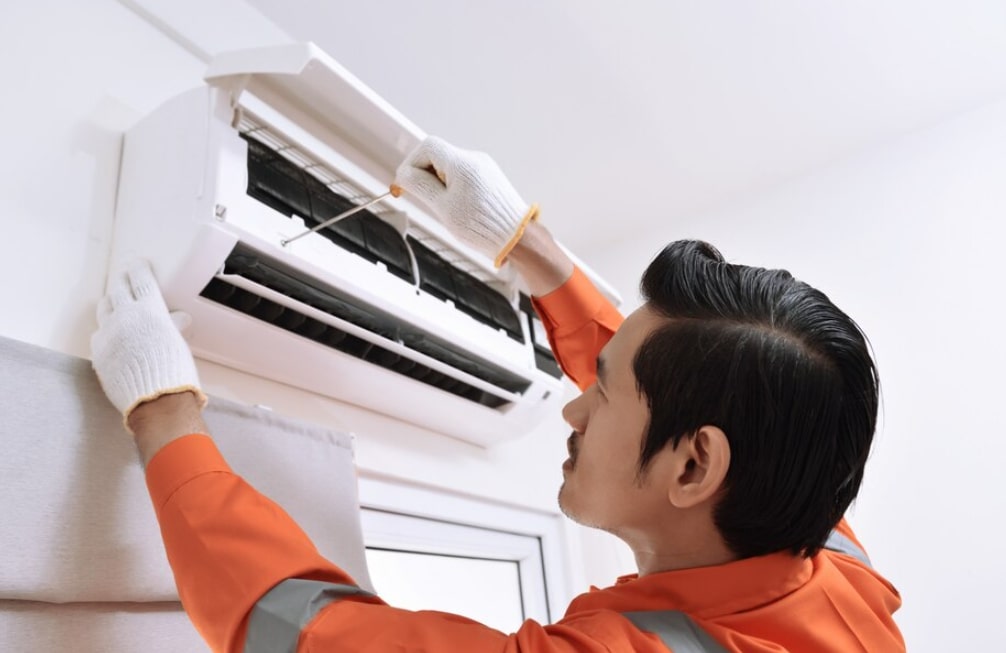
Your air conditioner does more than just cool your home—it also removes humidity from the air. When your AC is working properly, it creates a comfortable indoor environment by balancing both temperature and moisture levels.
If your system is blowing humid air, something isn’t functioning correctly. This issue can lead to discomfort, higher energy bills, and even potential damage to your home if left unresolved.
Understanding the causes of this problem can help you determine when simple fixes are enough and when it’s time to call a professional.
Your AC’s Role in Humidity Control
Air conditioners are designed to remove moisture as they cool the air. As warm air passes over the evaporator coil, humidity condenses and is drained away.
When this process is disrupted, moisture remains in the air, leading to a humid indoor environment.
According to the U.S. Department of Energy, properly functioning air conditioners help control both temperature and humidity for improved comfort and efficiency.
If humidity levels rise indoors, it’s often a sign that your system isn’t operating efficiently.
Dirty Air Filters Restrict Performance
One of the most common causes of humidity issues is a dirty air filter.
When airflow is restricted, your system struggles to circulate air properly and may not remove moisture effectively.
Replacing air filters regularly helps maintain proper airflow and allows your AC to perform at its best.
Incorrect Thermostat Settings
Sometimes the issue isn’t the AC unit itself but how it’s being used.
If your thermostat fan is set to “ON” instead of “AUTO,” the fan will continue running even when the system isn’t actively cooling.
This can reintroduce moisture into the air, making your home feel more humid.
Switching the fan setting to “AUTO” allows the system to properly cycle and remove humidity.
Oversized AC System
An oversized AC unit may cool your home too quickly without running long enough to remove humidity.
This results in a cool but damp environment.
Proper system sizing is essential for maintaining both temperature and humidity balance.
Learn more about system evaluations and installations by visiting our Services page.
Professional assessments ensure your system is properly sized for your home.
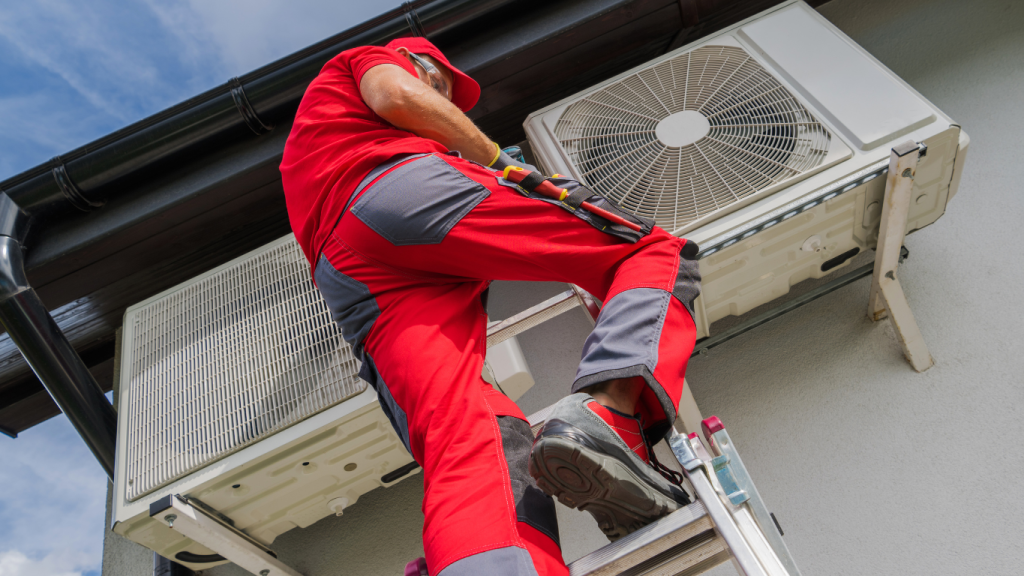
Refrigerant Issues
Low refrigerant levels can prevent your AC from cooling effectively and removing moisture.
Signs of refrigerant problems include:
- Warm or humid air
- Ice buildup on coils
- Longer cooling cycles
Refrigerant issues require professional repair to restore system performance.
Dirty or Frozen Evaporator Coils
Evaporator coils play a key role in removing heat and humidity.
If coils become dirty or frozen, they can’t function properly.
This leads to reduced cooling and increased indoor humidity.
Regular maintenance helps keep coils clean and operating efficiently.
Learn more about our experienced team by visiting our About Us page.
Professional maintenance ensures your system performs reliably.
Poor Ventilation and Airflow
Blocked vents or poor airflow can prevent your AC from distributing cool, dry air throughout your home.
This can result in uneven cooling and humidity buildup.
Ensuring proper airflow helps maintain consistent comfort levels.
When to Call a Professional
If your AC continues to blow humid air despite basic troubleshooting, it’s time to call an HVAC professional.
Delaying repairs can lead to:
- Increased energy costs
- Reduced system lifespan
- Greater repair expenses
Explore the areas we serve by visiting our Service Areas page.
Prompt service helps restore comfort and prevent further issues.
Restore Comfort to Your Home Today
Humidity issues are more than just uncomfortable—they can indicate underlying problems with your AC system.
By addressing these issues early and maintaining your system properly, you can ensure your home remains cool, comfortable, and energy-efficient.
At Fast AC Repair, we provide expert diagnostics and reliable solutions to keep your AC running at peak performance.
Contact Fast AC Repair today to fix humidity issues and restore comfort to your home.